
Iran-Israel Conflict Escalates: Origins, Timeline, and Implications for East Africa and the World

Iran-Israel Conflict Escalates: Origins, Timeline, and Implications for East Africa and the World

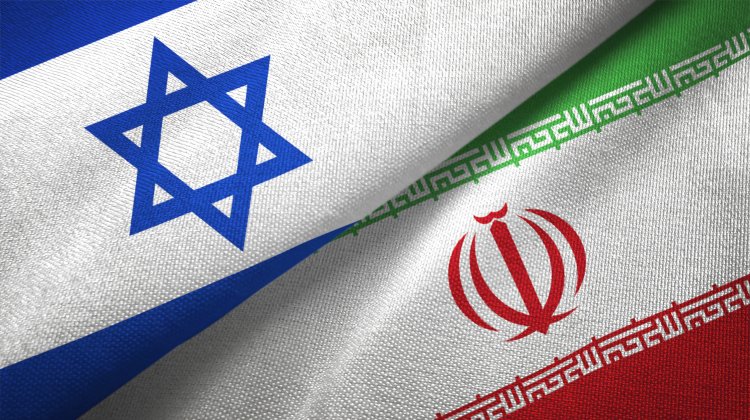
The Middle East is once again at the epicenter of global tension as hostilities between Iran and Israel spiral into one of the most dangerous military escalations in recent years. Over four intense days, both nations have traded missile strikes and air raids, leaving hundreds dead and the international community on high alert. As of this morning, the situation remains highly volatile, with potential ripple effects far beyond the region, including Africa and the East African Community (EAC).

Origins of the Conflict

The roots of the Iran-Israel confrontation trace back decades, but the current flare-up is directly linked to the assassination of Iranian General Amir Ali Hajizadeh on June 13, 2025, which Iran blames squarely on Israel. General Hajizadeh, a key figure in Iran’s Revolutionary Guard and ballistic missile program, was viewed as a symbol of Iran’s strategic military capabilities.

Israel's subsequent launch of “Operation Rising Lion”, a large-scale air campaign targeting over 100 sites across Iran, including suspected nuclear facilities, escalated the situation dramatically. Israel claims the operation is aimed at preventing Iran from acquiring nuclear weapons and dismantling the leadership responsible for planning attacks on Israeli territory.

What Happened Over the Last Four Days?

Day 1 (June 13, 2025):

Assassination of Gen. Hajizadeh in Tehran. Iran immediately blames Israel and vows revenge.

Israel launches initial airstrikes against Iranian radar and missile storage facilities.

Day 2 (June 14, 2025):

Israeli fighter jets drop over 330 munitions on strategic Iranian assets, including nuclear-related infrastructure and military headquarters (CBS News).

Iran’s initial retaliation includes missile strikes near Tel Aviv, which are largely intercepted by Israel’s Iron Dome.

Day 3 (June 15, 2025):

Iran launches a large-scale missile barrage targeting Haifa and southern Israel. An oil refinery in Haifa is heavily damaged, causing fires and power outages.

Iranian hospitals report over 1,200 injured and 224 dead, with most casualties resulting from precision Israeli strikes.

Day 4 (June 16, 2025 - Present):

At 22:27 UTC, Iran's military (@IranMilitary__) posts a defiant message on X:

“Tonight, the world will witness the end of Israel's arrogance.”

Multiple missiles fired toward Tel Aviv, some hitting residential areas. Civilian casualties reported but unconfirmed.

Israeli counter-defense systems remain active. Additional airstrikes launched deep into Iranian territory.

Current Situation (As of June 16, 2025, 09:01 AM CAT)

No signs of ceasefire or de-escalation. Both countries are in full combat readiness.

Oil prices spike, with global markets shaken by fears of a prolonged conflict in the Gulf and potential closure of the Strait of Hormuz.

International pressure mounts: U.S. and EU leaders are urging restraint, while Russia and China remain cautious but critical of Israeli aggression.

Iranian proxies such as the Houthis in Yemen have threatened to escalate by targeting U.S. and Israeli assets in the Red Sea.

International Implications: What It Means for Africa and the EAC

The impact of the Iran-Israel conflict extends well beyond the battlefield. Africa, particularly East African Community (EAC) countries Rwanda, Kenya, Uganda, Tanzania, Burundi, South Sudan, and DRC may face indirect but serious consequences:

1. Fuel Prices and Economic Pressure

East African nations are heavily dependent on fuel imports.

Oil price hikes triggered by instability in the Gulf region could increase transport and production costs, exacerbating inflation in countries already recovering from global economic shocks.

2. Security and Radicalization Risks

The conflict may embolden extremist groups across Africa, including Al-Shabaab and other ISIS-linked groups who may perceive Iran’s stance as a call for solidarity.

EAC governments may need to tighten surveillance and intelligence coordination to prevent radicalization or opportunistic attacks.

3. Diplomatic Positioning

As a region striving for neutrality and peace-building, EAC countries are caught between international alignments—maintaining ties with both Western allies and emerging powers like China and Iran.

The conflict may pressure African nations to take sides, especially in UN voting, aid negotiations, and diplomatic discourse.

4. Trade Routes and the Red Sea Corridor

The Red Sea shipping route, vital for EAC imports from the Middle East and Asia, could become a conflict zone if the Houthis or other Iranian allies engage militarily.

Kenyan and Djiboutian ports may see reduced shipping traffic or increased insurance and security costs.

The Iran-Israel conflict is not just a regional showdown,it is a global security challenge with far-reaching consequences. For East Africa and the broader African continent, the implications are economic, political, and strategic. While direct involvement is unlikely, indirect shocks especially to energy markets and security dynamics are already being felt.

As this dangerous escalation unfolds, international diplomacy must act swiftly to contain the violence and prevent a broader regional war. Meanwhile, African leaders must assess vulnerabilities and prepare adaptive responses to cushion their populations and economies from the potential fallout.

Iran-Israel Conflict Escalates: Origins, Timeline, and Implications for East Africa and the World

Iran-Israel Conflict Escalates: Origins, Timeline, and Implications for East Africa and the World

The Middle East is once again at the epicenter of global tension as hostilities between Iran and Israel spiral into one of the most dangerous military escalations in recent years. Over four intense days, both nations have traded missile strikes and air raids, leaving hundreds dead and the international community on high alert. As of this morning, the situation remains highly volatile, with potential ripple effects far beyond the region, including Africa and the East African Community (EAC).

Origins of the Conflict

The roots of the Iran-Israel confrontation trace back decades, but the current flare-up is directly linked to the assassination of Iranian General Amir Ali Hajizadeh on June 13, 2025, which Iran blames squarely on Israel. General Hajizadeh, a key figure in Iran’s Revolutionary Guard and ballistic missile program, was viewed as a symbol of Iran’s strategic military capabilities.

Israel's subsequent launch of “Operation Rising Lion”, a large-scale air campaign targeting over 100 sites across Iran, including suspected nuclear facilities, escalated the situation dramatically. Israel claims the operation is aimed at preventing Iran from acquiring nuclear weapons and dismantling the leadership responsible for planning attacks on Israeli territory.

What Happened Over the Last Four Days?

Day 1 (June 13, 2025):

Assassination of Gen. Hajizadeh in Tehran. Iran immediately blames Israel and vows revenge.

Israel launches initial airstrikes against Iranian radar and missile storage facilities.

Day 2 (June 14, 2025):

Israeli fighter jets drop over 330 munitions on strategic Iranian assets, including nuclear-related infrastructure and military headquarters (CBS News).

Iran’s initial retaliation includes missile strikes near Tel Aviv, which are largely intercepted by Israel’s Iron Dome.

Day 3 (June 15, 2025):

Iran launches a large-scale missile barrage targeting Haifa and southern Israel. An oil refinery in Haifa is heavily damaged, causing fires and power outages.

Iranian hospitals report over 1,200 injured and 224 dead, with most casualties resulting from precision Israeli strikes.

Day 4 (June 16, 2025 - Present):

At 22:27 UTC, Iran's military (@IranMilitary__) posts a defiant message on X:

“Tonight, the world will witness the end of Israel's arrogance.”

Multiple missiles fired toward Tel Aviv, some hitting residential areas. Civilian casualties reported but unconfirmed.

Israeli counter-defense systems remain active. Additional airstrikes launched deep into Iranian territory.

Current Situation (As of June 16, 2025, 09:01 AM CAT)

No signs of ceasefire or de-escalation. Both countries are in full combat readiness.

Oil prices spike, with global markets shaken by fears of a prolonged conflict in the Gulf and potential closure of the Strait of Hormuz.

International pressure mounts: U.S. and EU leaders are urging restraint, while Russia and China remain cautious but critical of Israeli aggression.

Iranian proxies such as the Houthis in Yemen have threatened to escalate by targeting U.S. and Israeli assets in the Red Sea.

International Implications: What It Means for Africa and the EAC

The impact of the Iran-Israel conflict extends well beyond the battlefield. Africa, particularly East African Community (EAC) countries Rwanda, Kenya, Uganda, Tanzania, Burundi, South Sudan, and DRC may face indirect but serious consequences:

1. Fuel Prices and Economic Pressure

East African nations are heavily dependent on fuel imports.

Oil price hikes triggered by instability in the Gulf region could increase transport and production costs, exacerbating inflation in countries already recovering from global economic shocks.

2. Security and Radicalization Risks

The conflict may embolden extremist groups across Africa, including Al-Shabaab and other ISIS-linked groups who may perceive Iran’s stance as a call for solidarity.

EAC governments may need to tighten surveillance and intelligence coordination to prevent radicalization or opportunistic attacks.

3. Diplomatic Positioning

As a region striving for neutrality and peace-building, EAC countries are caught between international alignments—maintaining ties with both Western allies and emerging powers like China and Iran.

The conflict may pressure African nations to take sides, especially in UN voting, aid negotiations, and diplomatic discourse.

4. Trade Routes and the Red Sea Corridor

The Red Sea shipping route, vital for EAC imports from the Middle East and Asia, could become a conflict zone if the Houthis or other Iranian allies engage militarily.

Kenyan and Djiboutian ports may see reduced shipping traffic or increased insurance and security costs.

The Iran-Israel conflict is not just a regional showdown,it is a global security challenge with far-reaching consequences. For East Africa and the broader African continent, the implications are economic, political, and strategic. While direct involvement is unlikely, indirect shocks especially to energy markets and security dynamics are already being felt.

As this dangerous escalation unfolds, international diplomacy must act swiftly to contain the violence and prevent a broader regional war. Meanwhile, African leaders must assess vulnerabilities and prepare adaptive responses to cushion their populations and economies from the potential fallout.