Kagame Says He Would Not Reopen Closed Churches, Cites Misconduct and Limited National Contribution

Kagame Says He Would Not Reopen Closed Churches, Cites Misconduct and Limited National Contribution

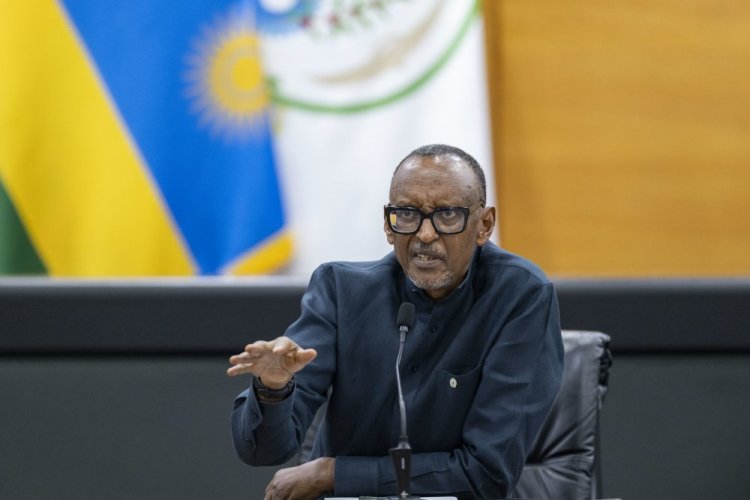
President of the Republic of Rwanda, Paul Kagame, stated that if it were up to him to decide on the fate of various churches that were closed, he would never reopen them. Instead, he said people should be encouraged to work because churches are largely filled with “crooks.”

A study conducted by the Rwanda Governance Board (RGB) in July and August 2024 on more than 13,770 churches across the country found that 9,171 of them had been closed for failure to comply with legal requirements.

This was followed by regulations that faith-based organizations must respect, including the conditions a church building must meet in order to operate safely and protect the lives of citizens who attend services.

In discussions religious leaders often hold with government institutions, they usually argue that they have met the required standards and therefore request new inspections so that their churches may be reopened.

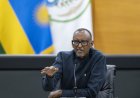
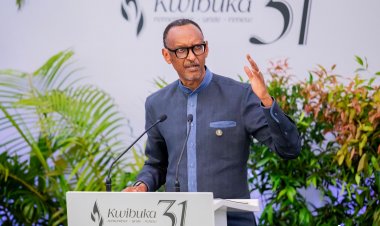
In a press conference held on 27 November 2025, President Kagame said he does not see the contribution that churches make to the country’s development.

He said: If it were up to me, I would not reopen any church. Whatever we do, we do it simply because… but churches when it comes to development, to global conflicts, to this country’s well-being what role do they play?”

President Kagame added that what is most evident is that churches tend to be places of theft and misconduct rather than anything else.

He continued: Do they even create jobs? They steal where are you when they do that? What I see are people full of mischief. Fighting wrongdoers in churches does not evoke any sympathy from me at all. But colonizers misled you, and you too became confused. We spend entire days discussing churches go farm, go herd livestock.”

During the Covid-19 pandemic, churches were closed and everyone worshipped from home. Major religious institutions turned to media such as television and radio to reach their congregations, and they quickly set up MoMo codes so that their followers could continue giving offerings.

President Kagame said that people can even pray using their phones.If you want to pray, pray on your phone. Don’t you know where that idea even came from? All these churches everywhere our goal is simply to be reasonable, not to harass people… and even then, only a few of them have been closed.”

A journalist pointed out that in some districts, many churches remain open, attracting people from other areas and creating overcrowding.

 “We will close those ones too. Wherever they are, we will close them, and people can worship at home.” He responded.

RGB recently informed Members of Parliament that only a few churches have so far been reopened after meeting all requirements.

There are also requests from 84 religious organizations claiming to have met all standards and asking for reopening. However, 15 of them were instructed to go back and fully comply with the requirements, while applications from the remaining 68 are still under review.
 

Kagame Says He Would Not Reopen Closed Churches, Cites Misconduct and Limited National Contribution

Kagame Says He Would Not Reopen Closed Churches, Cites Misconduct and Limited National Contribution

President of the Republic of Rwanda, Paul Kagame, stated that if it were up to him to decide on the fate of various churches that were closed, he would never reopen them. Instead, he said people should be encouraged to work because churches are largely filled with “crooks.”

A study conducted by the Rwanda Governance Board (RGB) in July and August 2024 on more than 13,770 churches across the country found that 9,171 of them had been closed for failure to comply with legal requirements.

This was followed by regulations that faith-based organizations must respect, including the conditions a church building must meet in order to operate safely and protect the lives of citizens who attend services.

In discussions religious leaders often hold with government institutions, they usually argue that they have met the required standards and therefore request new inspections so that their churches may be reopened.

In a press conference held on 27 November 2025, President Kagame said he does not see the contribution that churches make to the country’s development.

He said: If it were up to me, I would not reopen any church. Whatever we do, we do it simply because… but churches when it comes to development, to global conflicts, to this country’s well-being what role do they play?”

President Kagame added that what is most evident is that churches tend to be places of theft and misconduct rather than anything else.

He continued: Do they even create jobs? They steal where are you when they do that? What I see are people full of mischief. Fighting wrongdoers in churches does not evoke any sympathy from me at all. But colonizers misled you, and you too became confused. We spend entire days discussing churches go farm, go herd livestock.”

During the Covid-19 pandemic, churches were closed and everyone worshipped from home. Major religious institutions turned to media such as television and radio to reach their congregations, and they quickly set up MoMo codes so that their followers could continue giving offerings.

President Kagame said that people can even pray using their phones.If you want to pray, pray on your phone. Don’t you know where that idea even came from? All these churches everywhere our goal is simply to be reasonable, not to harass people… and even then, only a few of them have been closed.”

A journalist pointed out that in some districts, many churches remain open, attracting people from other areas and creating overcrowding.

 “We will close those ones too. Wherever they are, we will close them, and people can worship at home.” He responded.

RGB recently informed Members of Parliament that only a few churches have so far been reopened after meeting all requirements.

There are also requests from 84 religious organizations claiming to have met all standards and asking for reopening. However, 15 of them were instructed to go back and fully comply with the requirements, while applications from the remaining 68 are still under review.