Kayonza Bets on Coffee to Fight Poverty and Climate Shock

Kayonza Bets on Coffee to Fight Poverty and Climate Shock

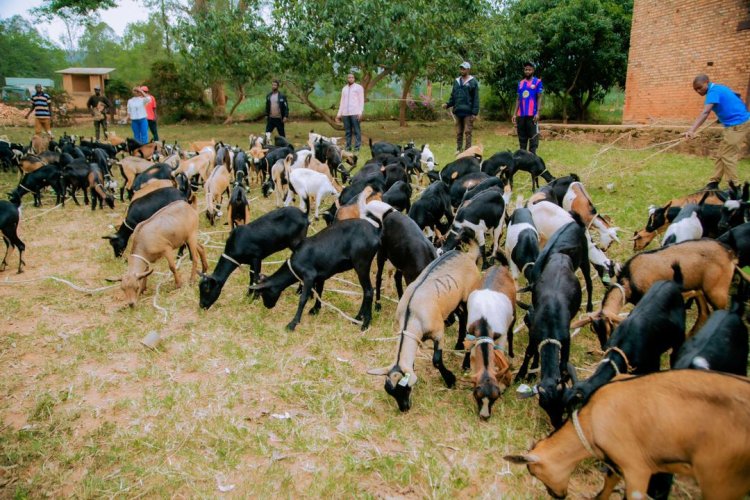
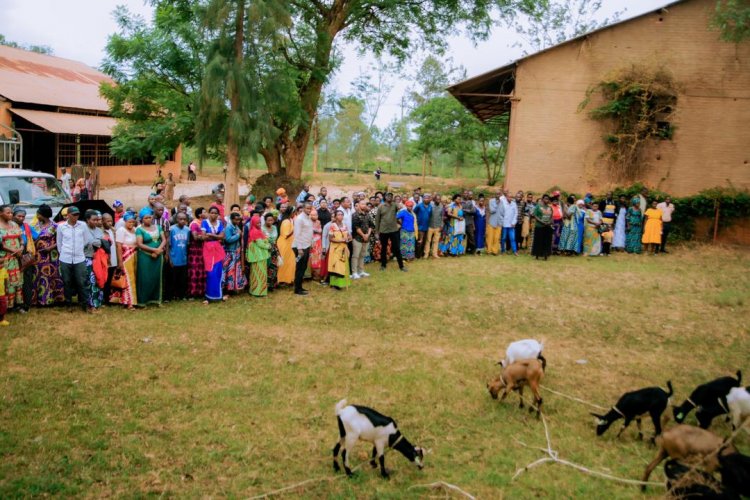
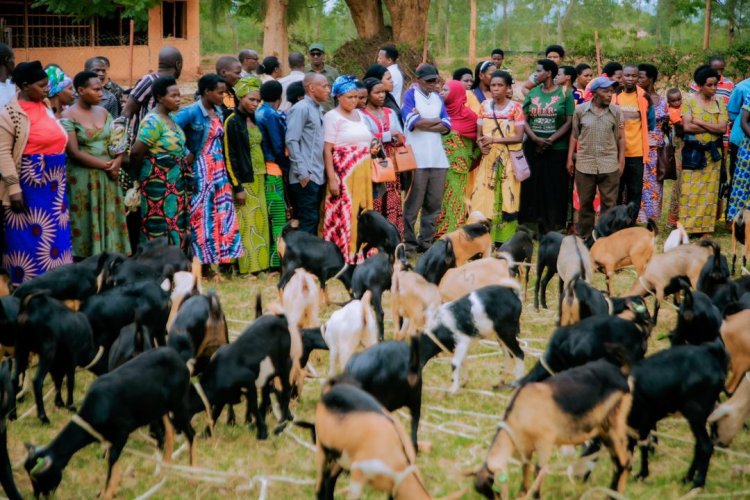
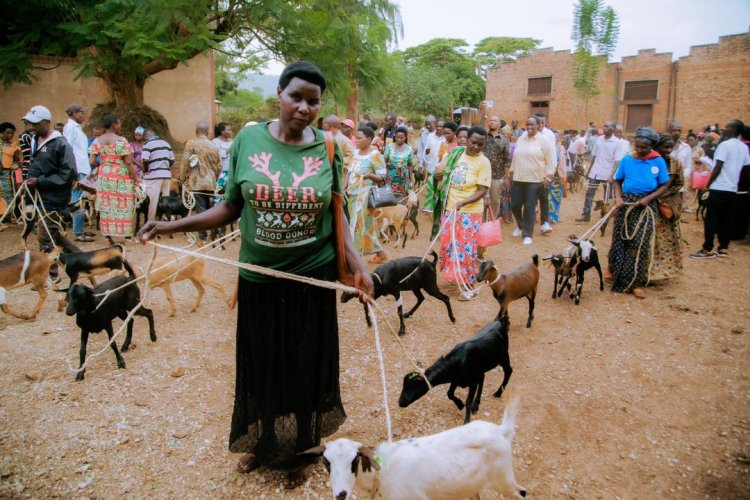
The 214 vulnerable coffee farming households in the Rwinkwavu and Kabarondo sectors have to receive 80,000 coffee seedlings, 428 goats, 3,500 agroforestry trees, and 2,500 banana suckers intercropped with coffee. The support is expected to help these families lift themselves out of poverty and strengthen resilience to climate change, which frequently affects the area.

The initiative is a joint effort between the Kayonza District and Kula Project Rwanda, aimed at creating a new generation of entrepreneurial coffee farmers.

Rwinkwavu, Kabarondo, and Murama are some of the drought-prone areas. Coffee is a crop that is highly tolerant to drought, which is why we are investing heavily here, farmers can still get harvests even when other crops fail.

The goats will provide manure for increasing the coffee produce, and as they multiply, farmers will also earn income to help them break out of poverty” BosseFred Nsengiyumva, Kula Project’s Programs Manager explained.

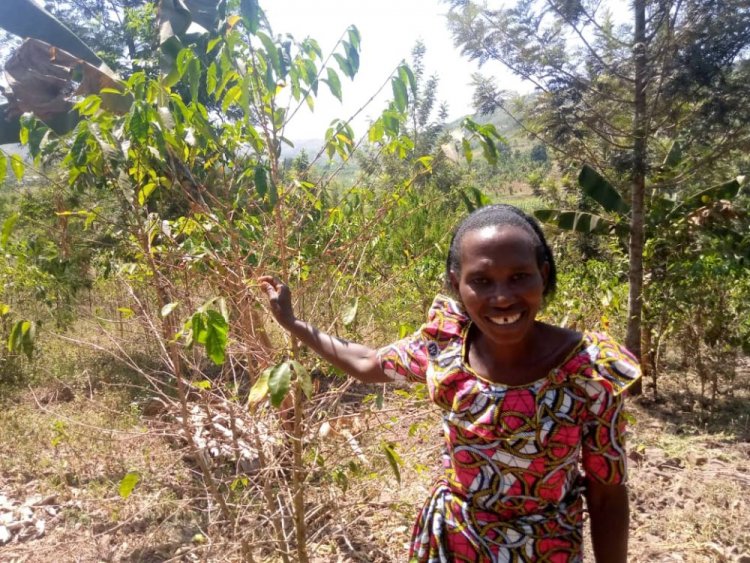
Muhawenimana Jeannette from Rwinkwavu, who received two goats, said:“They will give me manure for my coffee trees and help me get out of poverty.”

“I previously had very little manure and with  these goats, manure will increase, and so will my yields.” Kwihanagna Sylivestre  added.

The overall objective is to promote modern coffee farming practices that improve both the quantity and quality of production. The small livestock distributed will help farmers produce organic manure that boosts soil fertility.

Kayonza District Mayor John Bosco Nyemazi thanked Kula Project for its contribution, particularly in supporting coffee farmers. He added that the district plans to expand land under coffee cultivation, following evidence that the crop can thrive even during dry seasons.

He noted: “We carried out a pilot study and found that coffee performs well on some of our hillsides. This aligns with the national agenda to increase coffee production. We will work closely with residents and partners to expand the coffee growing area, especially on these hillsides, so we can make the most out of the land given the local climatic conditions.”

These activities in Kayonza District will cost more than Rwf 89 million. The Kula Project operates similar coffee-focused programs in the districts of Kayonza, Nyamasheke, and Gakenke.
 

Kayonza Bets on Coffee to Fight Poverty and Climate Shock

Kayonza Bets on Coffee to Fight Poverty and Climate Shock

The 214 vulnerable coffee farming households in the Rwinkwavu and Kabarondo sectors have to receive 80,000 coffee seedlings, 428 goats, 3,500 agroforestry trees, and 2,500 banana suckers intercropped with coffee. The support is expected to help these families lift themselves out of poverty and strengthen resilience to climate change, which frequently affects the area.

The initiative is a joint effort between the Kayonza District and Kula Project Rwanda, aimed at creating a new generation of entrepreneurial coffee farmers.

Rwinkwavu, Kabarondo, and Murama are some of the drought-prone areas. Coffee is a crop that is highly tolerant to drought, which is why we are investing heavily here, farmers can still get harvests even when other crops fail.

The goats will provide manure for increasing the coffee produce, and as they multiply, farmers will also earn income to help them break out of poverty” BosseFred Nsengiyumva, Kula Project’s Programs Manager explained.

Muhawenimana Jeannette from Rwinkwavu, who received two goats, said:“They will give me manure for my coffee trees and help me get out of poverty.”

“I previously had very little manure and with  these goats, manure will increase, and so will my yields.” Kwihanagna Sylivestre  added.

The overall objective is to promote modern coffee farming practices that improve both the quantity and quality of production. The small livestock distributed will help farmers produce organic manure that boosts soil fertility.

Kayonza District Mayor John Bosco Nyemazi thanked Kula Project for its contribution, particularly in supporting coffee farmers. He added that the district plans to expand land under coffee cultivation, following evidence that the crop can thrive even during dry seasons.

He noted: “We carried out a pilot study and found that coffee performs well on some of our hillsides. This aligns with the national agenda to increase coffee production. We will work closely with residents and partners to expand the coffee growing area, especially on these hillsides, so we can make the most out of the land given the local climatic conditions.”

These activities in Kayonza District will cost more than Rwf 89 million. The Kula Project operates similar coffee-focused programs in the districts of Kayonza, Nyamasheke, and Gakenke.