
Huye:Genocide Survivors Urged to Build Resilience

Huye:Genocide Survivors Urged to Build Resilience

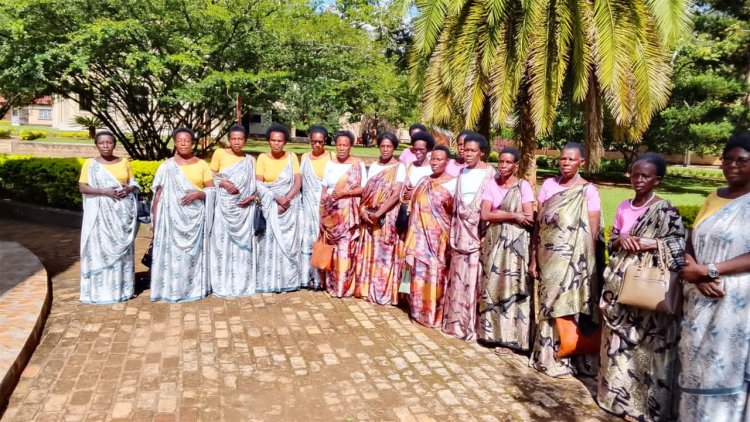
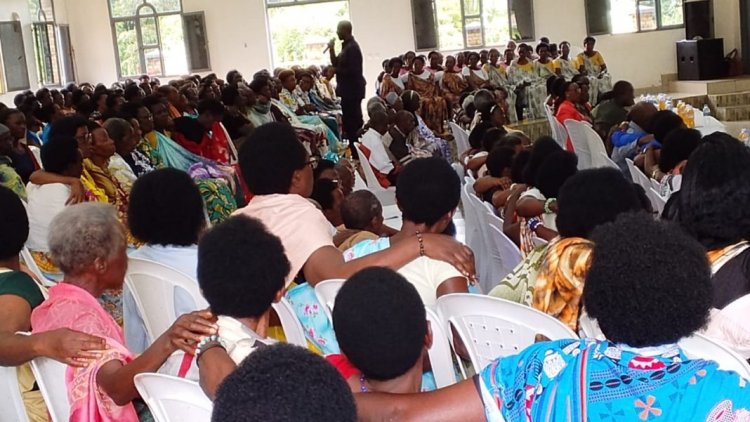
In Huye District, discussions aimed at strengthening resilience were held with members of AVEGA Agahozo, in preparation for the 32nd commemoration of the 1994 Genocide against the Tutsi.

The meeting, which took place on Friday, focused on supporting widows of the genocide and other survivors who still face emotional and psychological challenges, helping them enter the 100-day mourning period with renewed strength to continue rebuilding their lives.

Speakers emphasized the importance of sharing experiences and supporting one another in coping with the long-term effects of the genocide, particularly trauma that still affects some survivors.

Seraphine Nyiramuruta, the head of AVEGA Agahozo in Huye District,said the association plays a crucial role in helping genocide widows rebuild their lives after the tragic events they endured.

“AVEGA has supported us in many ways, including providing counseling sessions and access to healthcare, which has helped us continue the journey of recovery,” she said.

Participants in the discussions noted that such sessions help them regain emotional strength and better prepare for the commemoration period.

One of the members, who also serves as president of AVEGA Agahozo in Huye Sector, expressed gratitude for the organization’s programs and for the country’s leadership that stopped the genocide against the Tutsi.

“I am grateful for the discussions we receive because they help us stay strong. I also thank the Head of State who saved our lives by stopping the genocide against the Tutsi,” she said.

The Governor of the Southern Province, Alice Kayitesi, urged genocide survivors to continue rebuilding their lives and avoid being overwhelmed by grief, stressing that various institutions remain committed to supporting them.

“Survivors should remember that they are not alone. The country and its people continue to stand with them as they work to rebuild their lives,” she said.

Chaste Uwihoreye, a mental health expert and lecturer at the University of Rwanda, encouraged survivors not to suppress their emotions when facing trauma-related challenges.

He explained that it is important for individuals to express their feelings in safe environments and to seek professional help if they experience symptoms of trauma, including consulting mental health specialists when necessary.

These discussions are part of nationwide preparations aimed at supporting genocide survivors as they approach the 32nd commemoration of the 1994 Genocide against the Tutsi, ensuring they enter the remembrance period with the strength to continue rebuilding their lives while fostering resilience.
By Jean Melane NDEKEZI / Realrwanda.rw
Huye:Genocide Survivors Urged to Build Resilience

Huye:Genocide Survivors Urged to Build Resilience

In Huye District, discussions aimed at strengthening resilience were held with members of AVEGA Agahozo, in preparation for the 32nd commemoration of the 1994 Genocide against the Tutsi.

The meeting, which took place on Friday, focused on supporting widows of the genocide and other survivors who still face emotional and psychological challenges, helping them enter the 100-day mourning period with renewed strength to continue rebuilding their lives.

Speakers emphasized the importance of sharing experiences and supporting one another in coping with the long-term effects of the genocide, particularly trauma that still affects some survivors.

Seraphine Nyiramuruta, the head of AVEGA Agahozo in Huye District,said the association plays a crucial role in helping genocide widows rebuild their lives after the tragic events they endured.

“AVEGA has supported us in many ways, including providing counseling sessions and access to healthcare, which has helped us continue the journey of recovery,” she said.

Participants in the discussions noted that such sessions help them regain emotional strength and better prepare for the commemoration period.

One of the members, who also serves as president of AVEGA Agahozo in Huye Sector, expressed gratitude for the organization’s programs and for the country’s leadership that stopped the genocide against the Tutsi.

“I am grateful for the discussions we receive because they help us stay strong. I also thank the Head of State who saved our lives by stopping the genocide against the Tutsi,” she said.

The Governor of the Southern Province, Alice Kayitesi, urged genocide survivors to continue rebuilding their lives and avoid being overwhelmed by grief, stressing that various institutions remain committed to supporting them.

“Survivors should remember that they are not alone. The country and its people continue to stand with them as they work to rebuild their lives,” she said.

Chaste Uwihoreye, a mental health expert and lecturer at the University of Rwanda, encouraged survivors not to suppress their emotions when facing trauma-related challenges.

He explained that it is important for individuals to express their feelings in safe environments and to seek professional help if they experience symptoms of trauma, including consulting mental health specialists when necessary.

These discussions are part of nationwide preparations aimed at supporting genocide survivors as they approach the 32nd commemoration of the 1994 Genocide against the Tutsi, ensuring they enter the remembrance period with the strength to continue rebuilding their lives while fostering resilience.

By Jean Melane NDEKEZI / Realrwanda.rw