 English
  Kinyarwanda



 Mathieu KARUMUGABO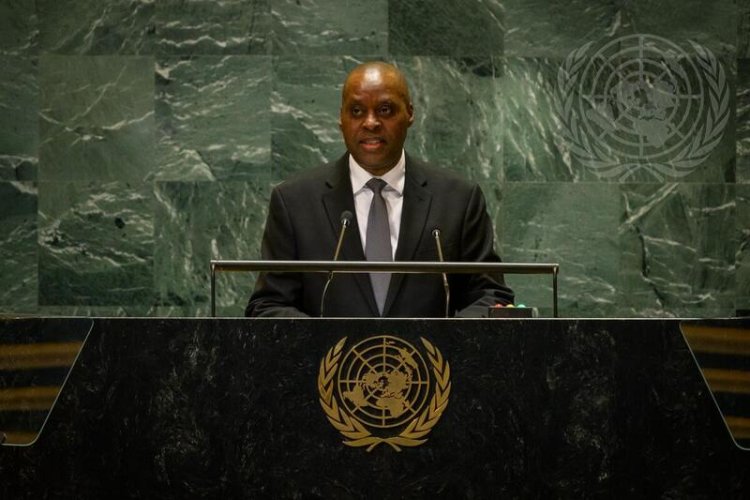
On January 28, 2025, Rwanda’s Ambassador to the United Nations, Ernest Rwamucyo, addressed the UN Security Council regarding escalating tensions along the Rwanda-DRC border. Ambassador Rwamucyo condemned the deliberate shelling by the Armed Forces of the Democratic Republic of Congo (FARDC) and their allied groups, including the FDLR, which have targeted Rwanda’s Rubavu District, resulting in significant casualties and displacement of civilians.
In his remarks, Rwamucyo highlighted that FARDC’s attacks on Rwanda’s territory followed their defeat in Goma by the M23 rebels. On January 26, 2025, after M23 reportedly seized control of Goma, retreating FARDC forces launched heavy artillery and gunfire into Rwanda, killing nine civilians and injuring 35 others. These attacks forced over 681 residents of Rubavu, near the DRC border, to flee to the Kijote refugee camp in Nyabihu District. Rwamucyo labeled the attacks as war crimes and emphasized Rwanda’s commitment to maintaining robust self-defense measures to safeguard its sovereignty and protect its citizens.
“The deliberate shelling of Rwanda’s territory by FARDC and their partners is unacceptable,” Ambassador Rwamucyo stated. “These acts are clear violations of international law and underscore the persistent security challenges posed by anti-Rwandan elements operating freely along our border.”
The Ambassador also criticized the DRC government for failing to address the threat posed by armed groups operating within its territory, particularly along the 200-kilometer shared border with Rwanda. He noted that these groups, including the FDLR, remain intent on destabilizing Rwanda, exacerbating the region’s fragile security situation.
UN Security Council Discusses Regional Stability
During the same meeting, the UN Security Council expressed concerns over the deteriorating security situation in eastern DRC, with multiple members urging restraint and dialogue between Rwanda and the DRC. UN officials highlighted the humanitarian impact of the ongoing conflict, which has displaced thousands and exacerbated tensions in an already volatile region.
The Security Council called for enhanced international efforts to address the root causes of the conflict, including the disarmament of armed groups and the promotion of political dialogue between Kigali and Kinshasa. However, Rwanda’s delegation underscored that any resolution must prioritize the neutralization of groups like the FDLR, which continue to pose an existential threat to Rwanda’s security.
“Rwanda is committed to peace,” Rwamucyo affirmed. “As a nation that has rebuilt itself from the ashes of conflict, we understand the value of stability. However, our commitment to peace does not mean tolerating acts of aggression that endanger our people.”
The Aftermath in Rubavu
Following the January 26 attacks, Rwanda’s defense forces swiftly responded by neutralizing incoming projectiles and reinforcing border security. Local authorities in Rubavu have since worked to restore normalcy, with many residents resuming their daily activities as of January 28. Security officials have assured the public of heightened vigilance and preparedness to deter any further provocations.
Meanwhile, Rwanda continues to advocate for accountability and international action against the FARDC’s collaboration with the FDLR, a militia group responsible for the 1994 Genocide against the Tutsi. Ambassador Rwamucyo stressed that Rwanda’s self-defense measures are a necessary response to the persistent threat posed by these actors.
Regional Implications
The cross-border tensions have raised broader concerns about stability in the Great Lakes region. Observers warn that the ongoing hostilities between Rwanda and the DRC could undermine regional integration efforts and further complicate humanitarian challenges. The African Union and other regional bodies have called for a renewed focus on diplomatic engagement to de-escalate tensions and foster lasting peace.
As the situation unfolds, Rwanda has reaffirmed its readiness to defend its sovereignty while remaining committed to peace and security in the region. The UN Security Council’s deliberations underscore the urgent need for coordinated international efforts to address the underlying drivers of conflict and prevent further escalation.