
Trump-Zelensky Meeting: Can Peace Be Achieved?

Trump-Zelensky Meeting: Can Peace Be Achieved?
AP News

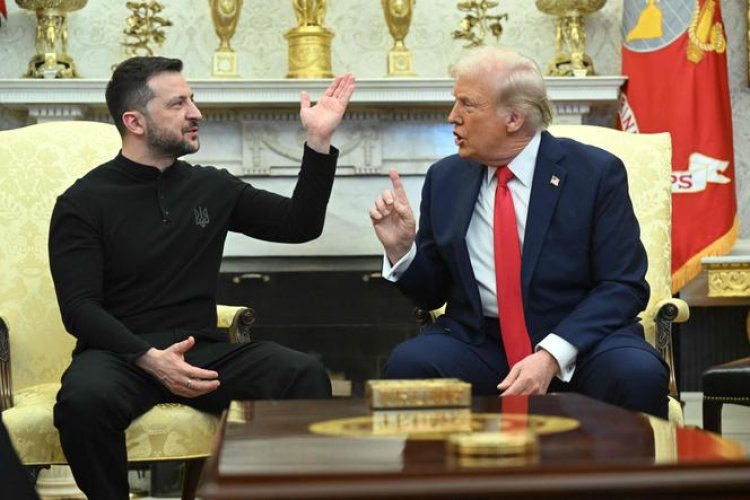
In a highly anticipated diplomatic meeting, former U.S. President Donald Trump and Ukrainian President Volodymyr Zelensky discussed a potential peace agreement aimed at ending the ongoing war between Ukraine and Russia. While details of their discussions remain undisclosed, the meeting reignited global debates on the feasibility of peace and the challenges that continue to obstruct it.

What is Blocking Peace?

Despite numerous diplomatic efforts, several key factors continue to hinder a lasting peace agreement between Ukraine and Russia:

1. Territorial Integrity vs. Russian Interests: Ukraine demands the full restoration of its internationally recognized borders, including Crimea and the eastern regions currently occupied by Russian-backed forces. Meanwhile, Russia insists on maintaining its territorial gains and securing strategic control over the Black Sea region.

2. Security Guarantees and NATO Expansion: Ukraine seeks solid security guarantees to prevent future aggression, pushing for NATO membership. Russia, however, views NATO’s expansion as a direct threat and is unlikely to accept any resolution that strengthens Western military presence in Eastern Europe.

3. Enforcement Mechanisms: Past agreements, including the Budapest Memorandum of 1994, have shown that security assurances without binding enforcement can be ineffective. Ukraine's denuclearization under this agreement left it vulnerable, as Russia later violated its commitment by annexing Crimea in 2014. A new peace deal would need stronger international enforcement to be credible.

4. War Crimes and Accountability : Ukraine insists on prosecuting Russian officials and military leaders for war crimes committed during the conflict. Russia, on the other hand, refuses to acknowledge these accusations and demands sanctions relief.


5. Western Unity and Political Shifts: With elections approaching in the U.S. and Europe, political shifts could alter Western support for Ukraine. Trump has previously criticized U.S. military aid to Ukraine, raising concerns about whether a future U.S. administration would prioritize peace at the cost of Ukrainian sovereignty.

The Budapest Memorandum: A Broken Promise?
The Budapest Memorandum on Security Assurances, signed on December 5, 1994, serves as a critical historical backdrop to Ukraine’s current security dilemma. Under this agreement, Ukraine relinquished its nuclear arsenal, the third largest in the world in exchange for security assurances from the U.S., the U.K., and Russia. The memorandum promised respect for Ukraine’s sovereignty, non-interference, and military protection against nuclear threats.
However, Russia's annexation of Crimea in 2014 and subsequent invasion of Ukraine in 2022 demonstrated that these assurances were ineffective without enforcement mechanisms. The failure of the memorandum has led Ukraine to reconsider its long-term security strategy, emphasizing NATO integration and stronger military alliances rather than relying on diplomatic promises.

What’s Next?

While the Trump-Zelensky meeting is a step towards diplomatic engagement, it remains uncertain whether it will lead to a viable peace agreement. Without a strong commitment from international actors and legally binding security guarantees, any resolution risks being as fragile as previous agreements.

For Ukraine, the lessons of the Budapest Memorandum serve as a warning: peace without enforcement is merely an illusion.


Trump-Zelensky Meeting: Can Peace Be Achieved?

Trump-Zelensky Meeting: Can Peace Be Achieved?
AP News

In a highly anticipated diplomatic meeting, former U.S. President Donald Trump and Ukrainian President Volodymyr Zelensky discussed a potential peace agreement aimed at ending the ongoing war between Ukraine and Russia. While details of their discussions remain undisclosed, the meeting reignited global debates on the feasibility of peace and the challenges that continue to obstruct it.

What is Blocking Peace?

Despite numerous diplomatic efforts, several key factors continue to hinder a lasting peace agreement between Ukraine and Russia:

1. Territorial Integrity vs. Russian Interests: Ukraine demands the full restoration of its internationally recognized borders, including Crimea and the eastern regions currently occupied by Russian-backed forces. Meanwhile, Russia insists on maintaining its territorial gains and securing strategic control over the Black Sea region.

2. Security Guarantees and NATO Expansion: Ukraine seeks solid security guarantees to prevent future aggression, pushing for NATO membership. Russia, however, views NATO’s expansion as a direct threat and is unlikely to accept any resolution that strengthens Western military presence in Eastern Europe.

3. Enforcement Mechanisms: Past agreements, including the Budapest Memorandum of 1994, have shown that security assurances without binding enforcement can be ineffective. Ukraine's denuclearization under this agreement left it vulnerable, as Russia later violated its commitment by annexing Crimea in 2014. A new peace deal would need stronger international enforcement to be credible.

4. War Crimes and Accountability : Ukraine insists on prosecuting Russian officials and military leaders for war crimes committed during the conflict. Russia, on the other hand, refuses to acknowledge these accusations and demands sanctions relief.


5. Western Unity and Political Shifts: With elections approaching in the U.S. and Europe, political shifts could alter Western support for Ukraine. Trump has previously criticized U.S. military aid to Ukraine, raising concerns about whether a future U.S. administration would prioritize peace at the cost of Ukrainian sovereignty.

The Budapest Memorandum: A Broken Promise?
The Budapest Memorandum on Security Assurances, signed on December 5, 1994, serves as a critical historical backdrop to Ukraine’s current security dilemma. Under this agreement, Ukraine relinquished its nuclear arsenal, the third largest in the world in exchange for security assurances from the U.S., the U.K., and Russia. The memorandum promised respect for Ukraine’s sovereignty, non-interference, and military protection against nuclear threats.
However, Russia's annexation of Crimea in 2014 and subsequent invasion of Ukraine in 2022 demonstrated that these assurances were ineffective without enforcement mechanisms. The failure of the memorandum has led Ukraine to reconsider its long-term security strategy, emphasizing NATO integration and stronger military alliances rather than relying on diplomatic promises.

What’s Next?

While the Trump-Zelensky meeting is a step towards diplomatic engagement, it remains uncertain whether it will lead to a viable peace agreement. Without a strong commitment from international actors and legally binding security guarantees, any resolution risks being as fragile as previous agreements.

For Ukraine, the lessons of the Budapest Memorandum serve as a warning: peace without enforcement is merely an illusion.